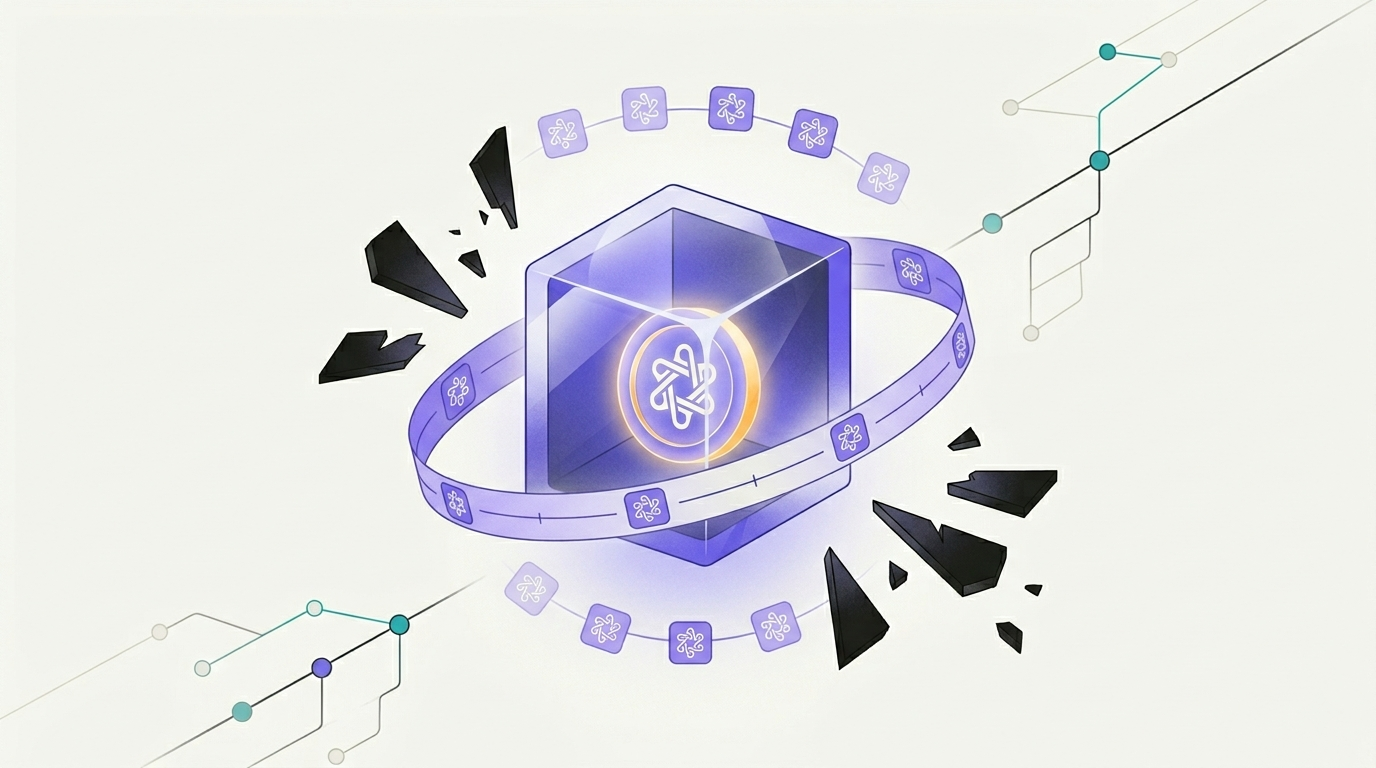
Recurring billing systems do not fail only because of bad logic. They fail because of operations. Even with perfect plan math and strong authorization checks, someone still has to trigger the payment transaction at the right time. In traditional stacks this is a scheduler inside your infrastructure. In on-chain systems, it is a keeper network. If that execution layer is centralized, your protocol quietly inherits a single point of failure.
Recuro removes that dependency by making execution permissionless. Any keeper can submit a payment transaction for a due subscription. On-chain checks determine whether execution is valid based on timestamp, plan state, and subscription status. Identity is irrelevant. The chain enforces correctness, and the fastest valid transaction wins.
This has two major benefits. First, reliability increases because execution can come from multiple independent operators: merchant-run nodes, third-party keeper providers, and public operators all at once. Second, protocol governance can avoid privileged execution keys that become high-value attack targets. Redundancy and neutrality are built into the runtime model.
A common concern is duplicate charges when many keepers race the same opportunity. Recuro handles this at the state transition layer. Once one transaction updates the subscription’s next-payment timestamp and cycle counter, follow-up attempts fail the due-check condition. Concurrency is harmless because payment eligibility is single-use per interval.
Incentives matter too. Keepers are compensated through a bounded slice of protocol fees, which creates a real market for uptime and performance. Merchants do not need bilateral contracts with every operator; they rely on open competition. If one operator degrades, others continue execution without manual intervention.
The protocol also includes cleanup semantics for inactivity. If execution is missed for three consecutive cycles, subscriptions can expire automatically, delegate approval is no longer useful, and account lifecycle can complete cleanly. That prevents zombie state from accumulating and reduces long-tail risk from abandoned subscriptions.
A practical production posture is layered: run your own keeper as primary, subscribe to a managed provider as backup, and allow public keepers as tertiary coverage. Because execution is permissionless and state-guarded, these layers do not conflict. They reinforce each other.
For recurring revenue, resilience is not just “the contract compiles.” Resilience means payments continue when one server fails, one provider degrades, or one team makes a bad deploy. Open keepers turn that resilience from an operational aspiration into protocol behavior.